
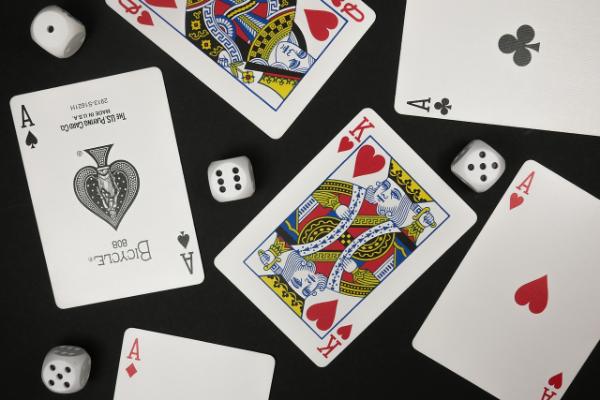
I’ve spent enough time around casinos, players, and gambling culture to notice a pattern that shows up again and again: most people think the game is about cards, slots, or roulette, but the real game is emotional control. The moment someone starts playing based on frustration, excitement, or the feeling that a win is “due,” the odds get even worse than they already are. Even links and promotions like uus777 should be viewed with caution, because anything connected to gambling deserves a second look before you click, trust, or spend money.

What surprises new players most is how quickly a casual visit can stop feeling casual. A person might sit down planning to spend a modest amount, hit a small win early, and suddenly start thinking the night has momentum. I’ve watched that mindset take over countless times. Someone who was relaxed twenty minutes earlier starts increasing bets, playing faster, and talking like the machine or table has turned in their favor. Usually, that confidence fades just as fast as it arrived.
The opposite happens too. A player loses a few rounds and becomes convinced that one more hand or one more spin will fix the session. That belief is one of the most expensive habits in any casino. Losses do not create future wins. A roulette wheel does not remember what happened five minutes ago. A slot machine is not getting ready to reward patience. People know this logically, but casinos are built to make emotions louder than logic.
One thing I always advise is setting a stopping point before any money changes hands. Not a vague promise to “be careful,” but a real limit. The people who tend to enjoy casino gambling the most are usually the ones who treat it like buying a ticket to a form of entertainment. They walk in knowing what they are willing to spend, and they do not renegotiate with themselves halfway through the night. That sounds simple, but it is surprisingly rare.
Another mistake is confusing activity with skill. Fast-moving table games can create the impression that sharp instincts alone can overcome the house edge. That belief is especially common with blackjack and sports-style betting mindsets. People start to feel that if they just stay focused long enough, they can outthink the system. In reality, discipline matters more than confidence. A person who knows when to stop is usually in a much better position than someone who believes they have found a hidden angle.
I also think casinos are easier to handle when people stop attaching personal meaning to short-term results. A win does not prove someone is smart, and a loss does not mean they are unlucky in some larger sense. It means they participated in a business designed to make money over time. That does not mean no one should ever gamble. It means the healthiest approach is a realistic one.
If someone wants excitement, a social atmosphere, and the possibility of a lucky moment, casino gambling can deliver that. But once a person starts treating it like income, revenge, or proof of instinct, the experience usually turns expensive very quickly.